Vegetable and Legume Buddha Bowl
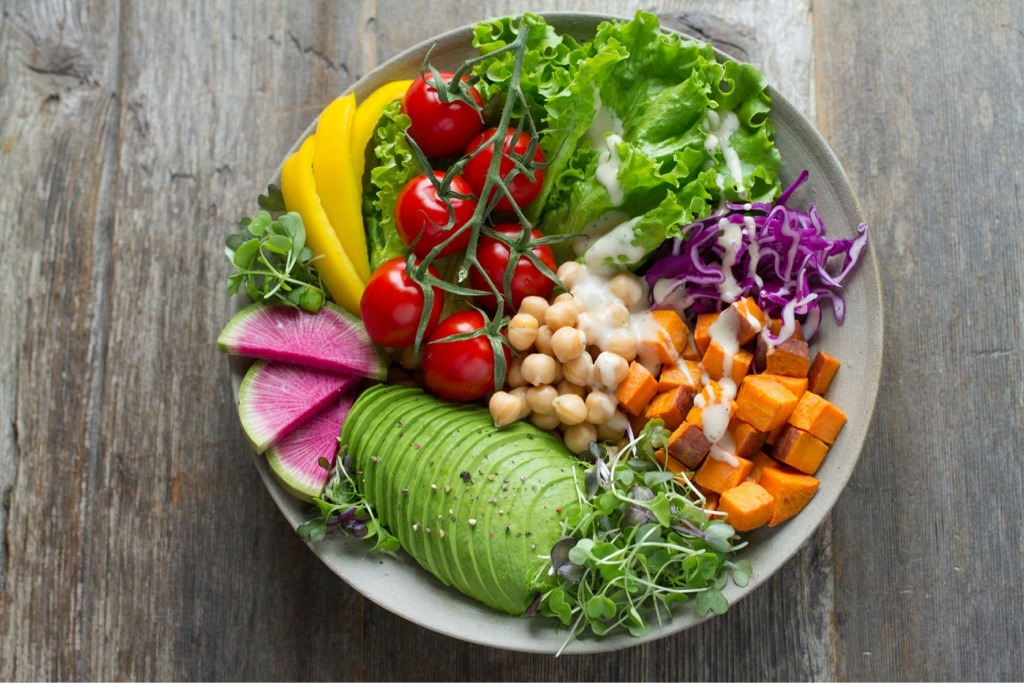
Fresh prepared meal / Salad bowl
A quick honest note
This breakdown is AI-generated general information based on a photo. It may contain errors, and all figures are estimates.
It is not medical, dietary, or treatment advice — for personal guidance, talk to a doctor, registered dietitian, or pharmacist.
It cannot determine allergen safety. Always verify ingredients on the actual product label and with the manufacturer.
Product names are trademarks of their respective owners. This analysis is independent opinion and is not affiliated with or endorsed by any brand.
The Quick Take
This bowl is an excellent example of a nutrient-dense, plant-forward meal that provides a wide array of vitamins, minerals, and fiber. It offers a balanced mix of healthy fats, complex carbohydrates, and plant protein, making it a high-quality choice for most people.
10/10 — Nutrient-dense everyday choice
Category
Fresh prepared meal / Salad bowl
Processing Level
Minimally processed. Most components are in their whole-food state, with the exception of the roasted potatoes and chickpeas which involve basic cooking/canning.
Common Uses
Popular as a healthy lunch, a 'meal-prep' staple for busy professionals, or a nutrient-dense post-workout recovery meal.
Calories & Macros
Estimates for the visible portion: 450–600 calories. Macros: Carbohydrates (45-60g), Protein (12-18g), Fats (25-35g - largely from avocado and dressing). These figures vary based on dressing quantity and exact portions.
Sugar, Salt & Fats
Naturally occurring sugars from vegetables are low (~8-12g); added sugar depends on the dressing. Sodium is likely moderate (200-500mg) depending on legume preparation and dressing. Fats are primarily heart-healthy monounsaturated types from the avocado.
Fiber, Protein & Micronutrients
Very high in fiber (est. 12-18g) and moderate plant protein. Rich in Vitamin A (sweet potatoes/peppers), Vitamin C (peppers/tomatoes), Vitamin K (leafy greens), potassium, and folate.
Ingredients Overview
Likely contains fresh kale or lettuce, cherry tomatoes on the vine, roasted sweet potatoes, chickpeas, sliced avocado, yellow bell pepper, red cabbage, watermelon radish, microgreens, and a creamy dressing (possibly tahini or yogurt-based).
Key Ingredients, Explained
Chickpeas provide plant-based protein and satiety-promoting fiber; Avocado offers heart-healthy monounsaturated fats and a creamy texture; Sweet potatoes provide complex carbohydrates and beta-carotene; Watermelon radish adds crunch and antioxidant compounds; Microgreens provide a concentrated source of micronutrients.
Additives & Preservatives
In a fresh bowl like this, additives are usually limited to the dressing, which may contain stabilizers like xanthan gum or acidity regulators like citric acid if store-bought.
Certifications & Claims
Often sold with claims like 'Plant-Based', 'Non-GMO', or 'Organic'. These indicate farming and processing standards but do not change the basic nutritional profile.
Label-Reading Tips
When buying pre-made, check the dressing for high levels of sodium or added sugars (syrups or honey). Look for 'low sodium' on the legume component if available.
Points to Consider
Be mindful of the dressing portion as oil-based or creamy dressings can significantly increase the caloric density and sodium of the meal.
Notable Strengths
Exceptional variety of plant colors (phytonutrients), high fiber content, and a good balance of healthy fats and complex carbs.
Better Alternatives
This is already a gold-standard meal. To further enhance it, one could ensure the dressing is made with olive oil or choose a lower-sodium canned chickpea option.
Serving & Usage Guidance
The pictured portion appears to be a full, satisfying meal for one adult. General guidance suggests filling half your plate with non-starchy vegetables, as seen here.
Ideas & Pairings
Pair with a squeeze of fresh lemon for extra Vitamin C to help absorb the iron in the greens and chickpeas, or add a sprinkle of hemp seeds for extra omega-3s.
Fitting It Into a Balanced Routine
This fits perfectly as a daily staple meal. Its high fiber and nutrient density support sustained energy and overall well-being in a balanced lifestyle.
Environmental Notes
Highly sustainable as a plant-based meal. Packaging impact depends on whether it is served in ceramic (as shown) or single-use plastic/compostable take-away containers.
Fun Facts
The 'Buddha Bowl' name likely refers to the bowl's rounded shape resembling a Buddha's belly, or the concept of 'Enlightened Eating' through balanced, colorful portions.
The Bottom Line
A top-tier nutritional choice that maximizes variety and whole-food intake. It provides sustained energy through complex carbs and healthy fats while being rich in protective plant compounds. Note that this is general educational information; consult a registered dietitian or physician for personalized nutritional needs.