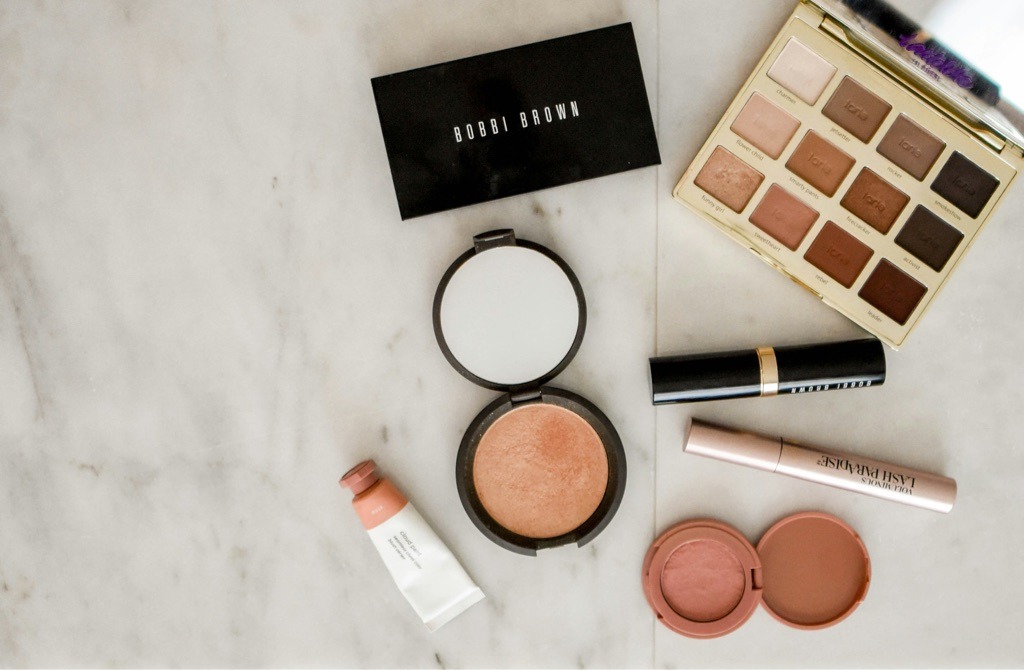
Assorted Cosmetics (Mascara, Eyeshadow, Blush, and Lipstick)
Cosmetics and Personal Care
A quick honest note
This breakdown is AI-generated general information based on a photo. It may contain errors, and all figures are estimates.
It is not medical, dietary, or treatment advice — for personal guidance, talk to a doctor, registered dietitian, or pharmacist.
It cannot determine allergen safety. Always verify ingredients on the actual product label and with the manufacturer.
Product names are trademarks of their respective owners. This analysis is independent opinion and is not affiliated with or endorsed by any brand.
The Quick Take
These items offer aesthetic enhancement through various pigment and texture formulations. While generally suitable for daily use for most shoppers, individuals with sensitive skin or allergies should check labels for specific irritants.
5/10 — standard formulation for this category
Category
Cosmetics and Personal Care
Processing Level
These are complex multi-ingredient formulations, which is typical for cosmetic chemistry to achieve specific textures, long-wear properties, and pigment payoff.
Common Uses
Popular for daily grooming, professional makeup artistry, special events, and creative self-expression through color and contouring.
Calories & Macros
Not applicable — this is not a food item; these are topical cosmetic products designed for external application only.
Sugar, Salt & Fats
Not applicable — although some lip products may contain trace mineral salts or plant-based oils (like castor or jojoba oil) for texture and hydration.
Fiber, Protein & Micronutrients
Not applicable — some formulations may include Vitamin E (Tocopherol) or Vitamin C derivatives for their antioxidant properties or as product stabilizers.
Ingredients Overview
Products in this collection likely contain a mix of pigments (iron oxides), binders (talc or mica), waxes (beeswax, carnauba), oils, and preservatives. The actual ingredient list on each individual package is the authoritative source.
Key Ingredients, Explained
Mica is often used for shimmer and texture; Iron Oxides provide various pigment colors; Glycerin acts as a humectant to retain moisture in cream products; Silica is frequently used for oil absorption and a smooth finish.
Additives & Preservatives
Manufacturers commonly use parabens or phenoxyethanol to prevent microbial growth, and fragrance (parfum) for consumer appeal; these are standard across the industry to ensure product shelf-life and stability.
Certifications & Claims
Claims like 'dermatologist-tested' or 'hypoallergenic' are often used in marketing; 'cruelty-free' usually indicates a lack of animal testing, often verified by third parties like Leaping Bunny.
Label-Reading Tips
Check the ingredient order (highest concentration first) and look for specific warnings regarding use near the eyes or lips.
Points to Consider
Some formulas may contain fragrances or specific preservatives that some users prefer to avoid; always monitor for skin sensitivity during initial use.
Notable Strengths
These items typically provide reliable pigment payoff, diverse color ranges for different skin tones, and are formulated for specific functional tasks like volumizing lashes or mattifying skin.
Better Alternatives
Consider fragrance-free versions or products formulated with a shorter ingredient list if you have a history of reactive skin.
Serving & Usage Guidance
Products should be applied as directed to specific areas (eyes, lips, cheeks). Following label directions and replacing items like mascara every 3-6 months is a common general practice for hygiene.
Ideas & Pairings
To get the best value, ensure skin is properly cleansed and moisturized before application, and always use clean brushes or applicators to maintain product integrity.
Fitting It Into a Balanced Routine
These products fit into an overall grooming routine; they are non-essential items used for personal expression and confidence enhancement.
Environmental Notes
Packaging often includes mixed materials (plastic, metal, mirrors) which can make local recycling challenging; some brands offer take-back programs for empty containers.
Fun Facts
The term 'mascara' is thought to have evolved from the Spanish word 'máscara' meaning mask or stain, used as far back as Ancient Egypt.
The Bottom Line
This group of products represents a standard cross-section of modern cosmetics, utilizing well-known ingredients to achieve specific aesthetic results. While generally considered appropriate for most consumers, individuals with specific concerns should consult the manufacturer's label or a dermatologist for personal guidance.