Aerosol glass and surface cleaner
Household cleaner
A quick honest note
This breakdown is AI-generated general information based on a photo. It may contain errors, and all figures are estimates.
It is not medical, dietary, or treatment advice — for personal guidance, talk to a doctor, registered dietitian, or pharmacist.
It cannot determine allergen safety. Always verify ingredients on the actual product label and with the manufacturer.
Product names are trademarks of their respective owners. This analysis is independent opinion and is not affiliated with or endorsed by any brand.
The Quick Take
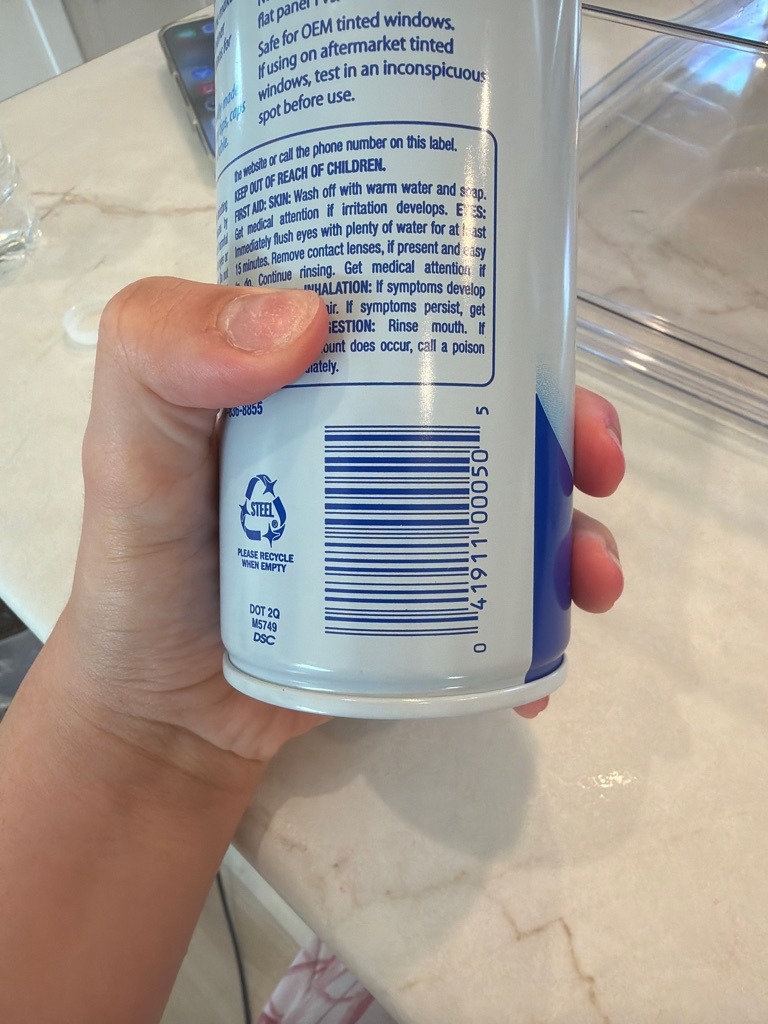
This is a common household cleaning product packaged in an aerosol spray can, typically used for cleaning glass, mirrors, and hard surfaces. It is designed to remove smudges, fingerprints, and dust efficiently without leaving streaks. Always review the product label carefully for specific usage directions and safety precautions.
Not rated — household cleaning products are outside the scope of food and supplement quality ratings
Category
Household cleaner
Processing Level
This is a manufactured chemical formulation packaged under pressure in a steel aerosol container designed for targeted household maintenance.
Common Uses
Cleaning glass windows, mirrors, glass display cases, and wiping down smooth washable surfaces.
Ingredients Overview
Products in this category typically contain water, solvents such as alcohols or glycol ethers, surfactants for cutting grease, and a pressurized aerosol propellant. The actual ingredient list on the container is the authoritative source.
Key Ingredients, Explained
Water serves as the primary solvent base; solvents help dissolve oils and greases; surfactants lower surface tension to lift away dirt; and aerosol propellants maintain pressure inside the can to dispense the liquid as a fine spray.
Additives & Preservatives
Glass cleaners may include minor amounts of stabilizers, corrosion inhibitors, or added fragrances to neutralize chemical odors, depending on the specific product formulation.
Certifications & Claims
Household cleaners may feature various industry or environmental certifications related to packaging recyclability or standardized manufacturing practices. Always check the label for specific definitions.
Label-Reading Tips
Review the first-aid instructions, keep-out-of-reach warnings, and surface compatibility notes on the back panel to ensure safe and proper application.
Points to Consider
Contains chemical ingredients under pressure; avoid contact with eyes and skin, and keep out of reach of children as stated on the label warnings.
Notable Strengths
Convenient aerosol delivery format, effective at cutting through fingerprints and smudges on glass, and typically formulated to dry quickly without leaving visible streaks.
Better Alternatives
Alternative options for glass cleaning include vinegar-and-water solutions in a reusable spray bottle or fragrance-free, plant-derived surface cleaners for those who prefer alternative formulations.
Serving & Usage Guidance
Follow the directions and safety warnings printed on the actual product label. Ensure adequate ventilation when using household cleaning sprays.
Ideas & Pairings
Commonly used on windows, mirrors, glass tabletops, and chrome fixtures paired with a clean microfiber cloth for a streak-free shine.
Fitting It Into a Balanced Routine
Household cleaners are routine maintenance products used periodically to keep living spaces clean and tidy as part of a balanced home care routine.
Environmental Notes
The container features a steel recycling symbol, indicating that empty steel aerosol cans can often be recycled depending on local municipal recycling program guidelines.
Fun Facts
Aerosol packaging utilizes compressed or liquefied gas propellants to expel the product from the container in a uniform mist.
The Bottom Line
This product is a standard household cleaning aerosol designed for maintaining clear glass and hard surfaces. Always consult the product label for authoritative instructions, and note that individual preferences for cleaning agents vary. For personal guidance regarding chemical sensitivities or health concerns, consult a qualified professional.