The Ordinary Skincare and Makeup Collection
Skincare and Cosmetic Products
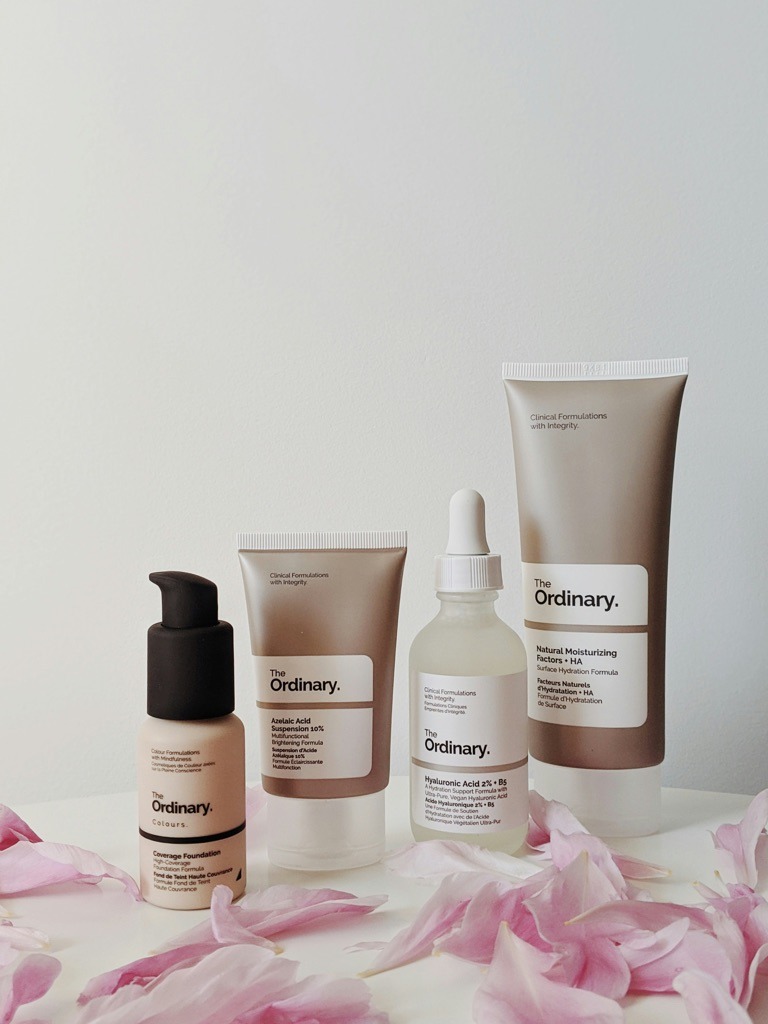
A quick honest note
This breakdown is AI-generated general information based on a photo. It may contain errors, and all figures are estimates.
It is not medical, dietary, or treatment advice — for personal guidance, talk to a doctor, registered dietitian, or pharmacist.
It cannot determine allergen safety. Always verify ingredients on the actual product label and with the manufacturer.
Product names are trademarks of their respective owners. This analysis is independent opinion and is not affiliated with or endorsed by any brand.
The Quick Take
These products offer a high degree of transparency with a focus on specific active ingredients like Hyaluronic Acid and Azelaic Acid. They are generally excellent for those who want to customize their routine, provided products are introduced gradually to ensure skin compatibility.
8/10 — Transparent, active-focused formulations
Category
Skincare and Cosmetic Products
Processing Level
These are lab-synthesized cosmetic formulations designed for consistency, shelf-stability, and targeted delivery of active ingredients.
Common Uses
Hydrating the face, targeting skin texture/tone, and providing color coverage for a uniform complexion.
Calories & Macros
Not applicable — this is not a food item. These are topical liquid and cream formulations.
Sugar, Salt & Fats
Not applicable. Formulations in this category commonly use various fatty alcohols and synthetic esters for texture, and mineral-based pigments for color.
Fiber, Protein & Micronutrients
Not applicable. Common micronutrient-derived ingredients include Vitamin B5 (Panthenol) for its humectant properties and mineral compounds like Mica or Titanium Dioxide for pigment and sun protection.
Ingredients Overview
Likely contains water, silicones, glycerin, hyaluronic acid, azelaic acid, and various skin-conditioning agents. The physical label on each bottle is the authoritative source for the full ingredient list.
Key Ingredients, Explained
Hyaluronic Acid: A humectant that attracts water to the skin surfaces; Azelaic Acid: A dicarboxylic acid used for its brightening and texture-refining properties; Panthenol (Pro-Vitamin B5): Used to soothe and hydrate the skin; Natural Moisturizing Factors (NMF): A blend of amino acids and minerals intended to mimic the skin's natural barrier.
Additives & Preservatives
Commonly contains phenoxyethanol or chlorphenesin as preservatives to prevent microbial growth. Many products in this specific range are formulated without added fragrances or essential oils.
Certifications & Claims
Often carry Leaping Bunny or PETA cruelty-free certifications. Claims like 'Clinical Formulations' are brand identifiers rather than regulated legal designations.
Label-Reading Tips
Check the ingredient list for the specific concentration of acids (e.g., 10%) and ensure the product does not contain ingredients you have previously reacted to.
Points to Consider
The 'Azelaic Acid Suspension' uses a high concentration of actives which may cause a tingling sensation; the 'Coverage Foundation' contains pigments that require thorough cleansing at the end of the day.
Notable Strengths
High transparency regarding active ingredient concentrations, fragrance-free options, and simple, utilitarian packaging that minimizes waste.
Better Alternatives
Individuals with extremely sensitive skin might consider specifically formulated 'hypoallergenic' or 'dermatological' lines from brands like CeraVe or La Roche-Posay for even simpler base formulas.
Serving & Usage Guidance
Typically, serums are applied first to clean skin, followed by creams/suspensions, and finally foundation. Consistency with label instructions is vital to avoid irritation from over-application of acids.
Ideas & Pairings
Apply the Hyaluronic Acid serum to slightly damp skin to enhance its hydrating properties; mix a drop of the serum into the foundation for a more sheer, dewy finish.
Fitting It Into a Balanced Routine
These fit into a daily hygiene and grooming routine. Active 'treatments' like Azelaic Acid are often used as needed, while the moisturizer and foundation may be daily staples.
Environmental Notes
Packaging often utilizes recyclable glass and plastic; however, shoppers should check local municipal guidelines regarding the disposal of pump mechanisms and droppers.
Fun Facts
The brand became famous for its 'stripped-back' marketing, choosing to name products after their chemical ingredients rather than using flowery commercial names.
The Bottom Line
This set represents a modern, ingredient-focused approach to personal care that prioritizes function over luxury feel. It is a highly effective range for informed consumers who understand how different actives interact. This is general educational information; consult a dermatologist for personalized skin health guidance.